
Why Nation Fails and and the Path Forward for Nepal
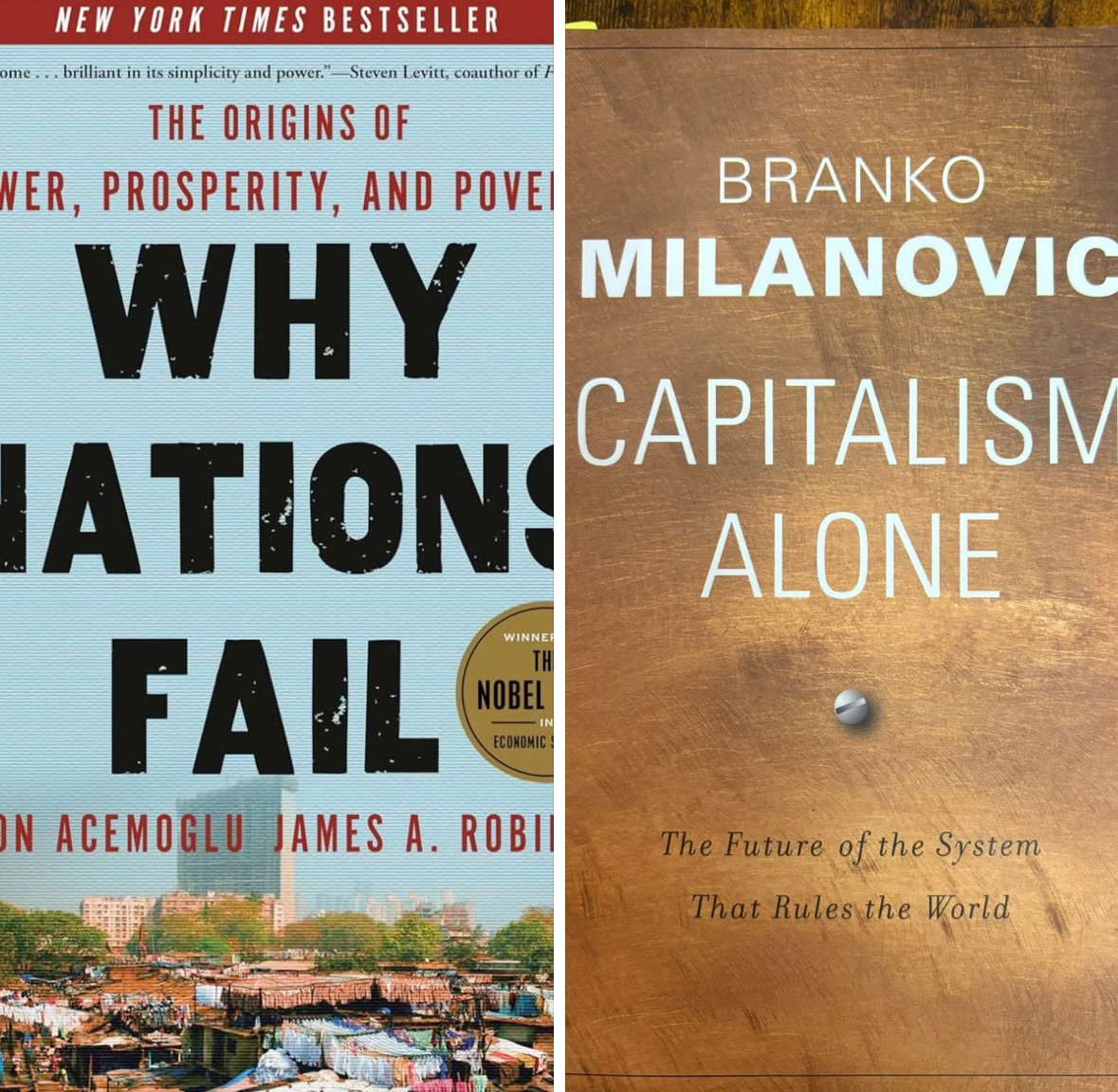
A few years ago, I read two books that left a lasting impact on me:
“Why Nations Fail: The Origins of Power, Prosperity, and Poverty” and “Capitalism, Alone.” Today, as I reflect on the situation back home in Nepal, their lessons feel more relevant than ever.
Why Nations Fail
It’s not geography that brings a nation down.
It’s not even culture.
It’s the institutions: the rules of the game that shape incentives for people and businesses.
Nations don’t collapse because they lack resources or talent. They fail when systems choke opportunity and concentrate power in the hands of a few. We see this in Nepal.
Two Types of Institutions
- Inclusive Institutions
- Broad distribution of power
- Strong property rights
- Rule of law and open markets
These drive prosperity, freedom, and innovation.
- Extractive Institutions
- Power concentrated in elites
- Weak protection of rights
- Monopolies and corruption
These lead to stagnation, poverty, and hopelessness.
Inclusive systems create growth.
Extractive systems trap nations in decline.
Nepal has long suffered under extractive, oligarchic, kleptocratic systems where leaders enrich themselves at the expense of the people.
History reminds us of the “Iron Law of Oligarchy”: revolutions may topple rulers, but without institutional reform, one elite is simply replaced by another.
The Way Forward
Our first task must be stability and clarity. But stability alone is not enough.
Nepal must build inclusive institutions; ones that ignite innovation, reward effort, and open opportunities for all.
Here, Branko Milanovic’s “Capitalism, Alone” provides another lens. Capitalism is now the world’s only system, but it comes in two forms:
- Liberal Meritocratic Capitalism (as in the West): democracy, openness, innovation.
- Political Capitalism (as in China): rapid growth, but plagued by corruption, repression, and elite capture.
Neither is perfect. But for Nepal, the lesson is clear:
We must fight for a reformed, inclusive capitalism; democratic, transparent, fair, and innovative.
Only then can we break free from cycles of oligarchy and kleptocracy, and build a system where talent, not connections, defines success.



Leave a Reply
You must be logged in to post a comment.